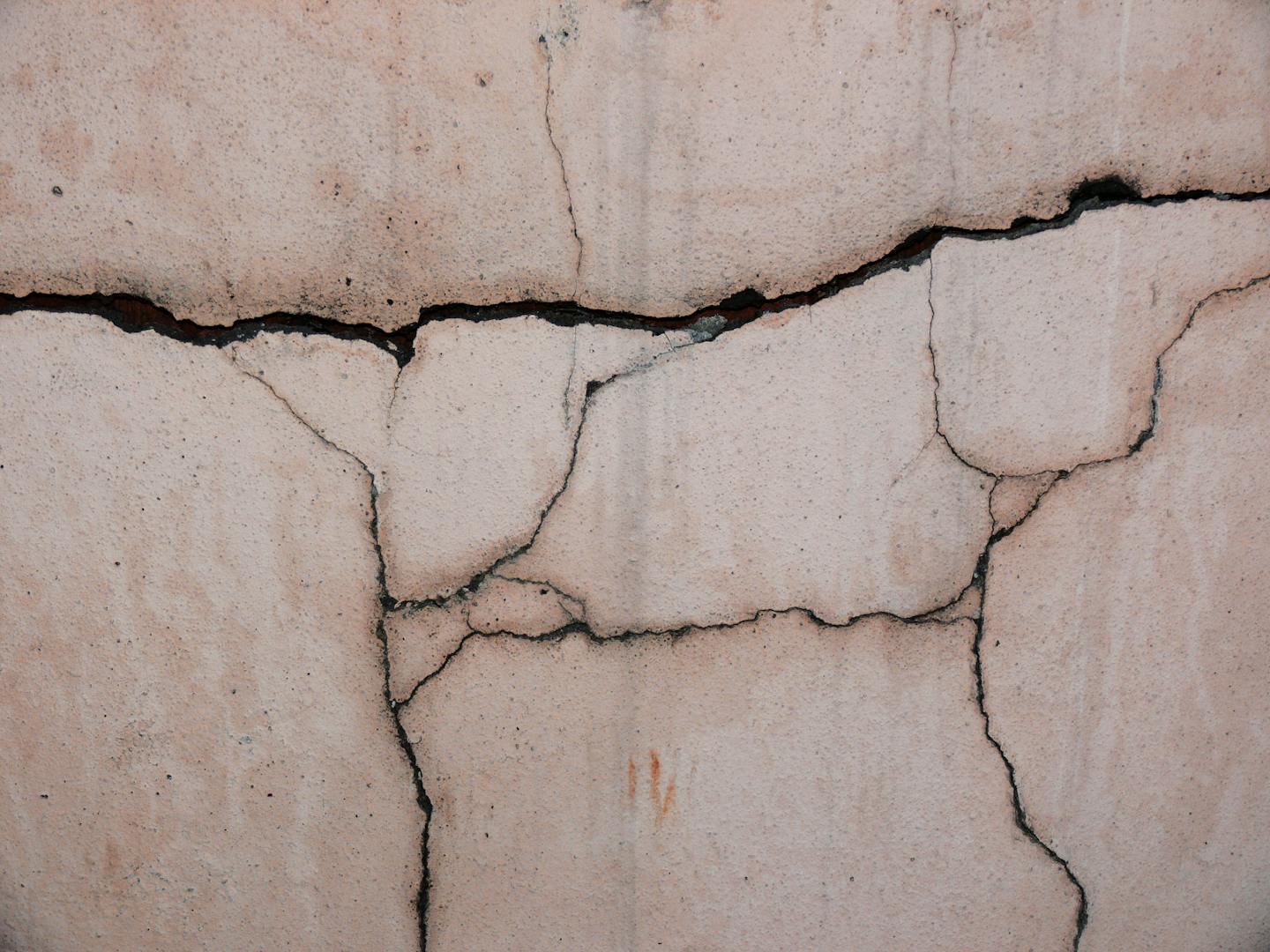
Foundation crack repair in Bloomfield, NJ stops active water intrusion through poured concrete walls and prevents existing cracks from widening under soil pressure. This service is for homeowners who have noticed a hairline crack that is now weeping, or a visible gap in the foundation wall that has grown. Cracks left unaddressed allow water in and reduce the structural capacity of the wall over time.
Epoxy vs. Polyurethane Injection for Foundation Crack Repair
Epoxy injection bonds the two faces of a crack and restores the original compressive strength of the concrete — the right call when the crack is dry and structural integrity is the concern. Polyurethane foam injection expands into the crack and cures into a flexible, waterproof plug — the right call when the crack is actively wet, because polyurethane bonds to damp concrete and its flexibility handles minor future movement without re-opening. The choice depends on what the crack is doing, not just how it looks.
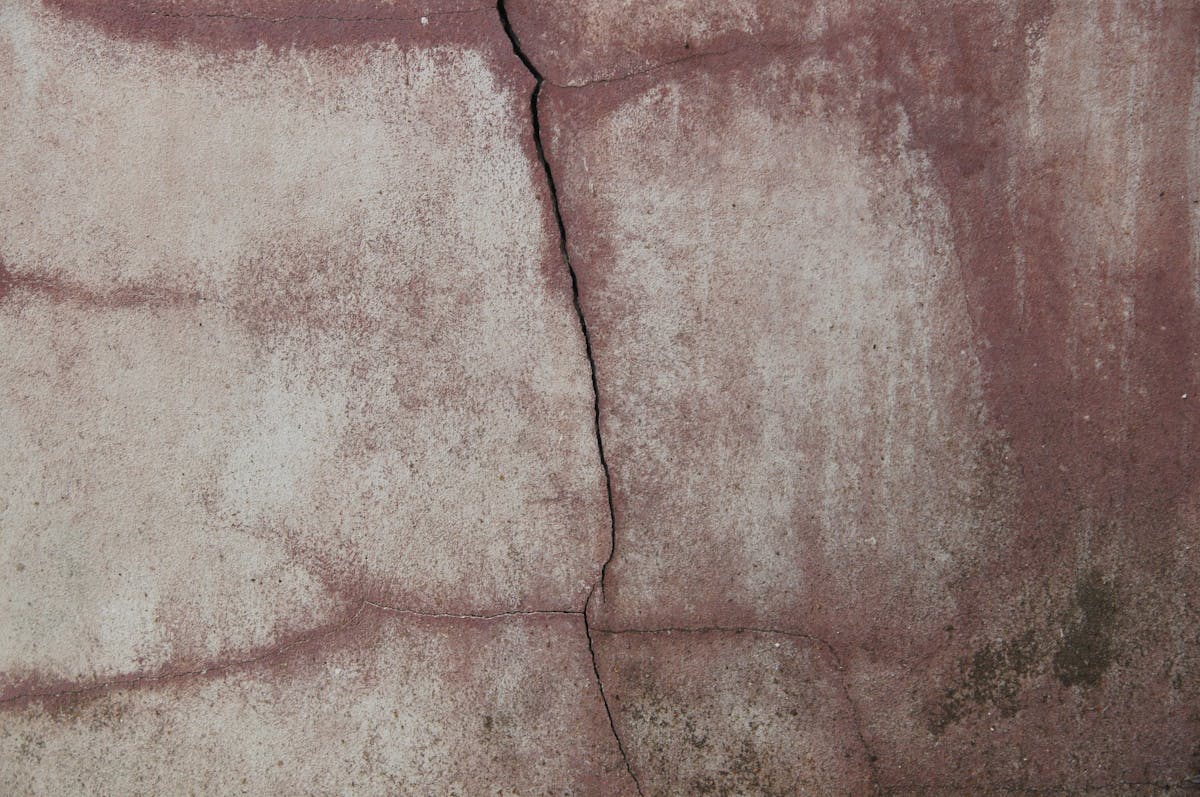
How to Read the Type of Crack Before Choosing a Repair
Vertical cracks in poured concrete walls almost always result from concrete shrinkage during curing — common, typically non-structural, but they let water in once the outer coating weathers away. Horizontal cracks indicate lateral soil pressure pushing inward, which is a structural concern that goes beyond simple injection. Diagonal cracks often point to differential settlement. Identifying the crack type in Bloomfield's older housing stock determines both the repair method and whether structural reinforcement is needed.
For ongoing water intrusion beyond a single crack, a full basement waterproofing system.
After sealing the crack, manage residual humidity with our basement dehumidification service.
When Foundation Crack Injection Is Not Enough
Horizontal cracks, bowing basement walls, and stair-step cracking through block courses require structural reinforcement — carbon fiber straps, wall anchors, or helical piers in severe cases. Injection alone cannot address these conditions. If there is any doubt about whether a crack is structural, have a structural engineer assess it before committing to a repair method. We will tell you directly if what you have goes beyond what injection can solve.
Frequently Asked Questions
- How long does foundation crack injection take?
- A single crack repair typically takes two to four hours on-site. Injection ports cure overnight; the wall is ready for paint or finish within 24 hours for epoxy and 48 hours for polyurethane.
- Will an injected crack come back?
- Properly injected cracks do not re-open in the same place under normal conditions. New cracks can form elsewhere if the underlying cause — poor drainage, settlement, soil pressure — is not addressed.
- Can I fill a foundation crack with hydraulic cement?
- Hydraulic cement stops active flow temporarily but does not bond to the concrete faces and will crack again. Injection fills the full depth of the crack and creates a permanent, watertight seal.
- Does homeowner's insurance cover foundation cracks in NJ?
- Standard NJ homeowner's policies exclude gradual water damage and settling. Sudden events like a pipe burst that causes a crack may be covered under the dwelling coverage. Review your policy or contact your insurer directly before filing a claim.