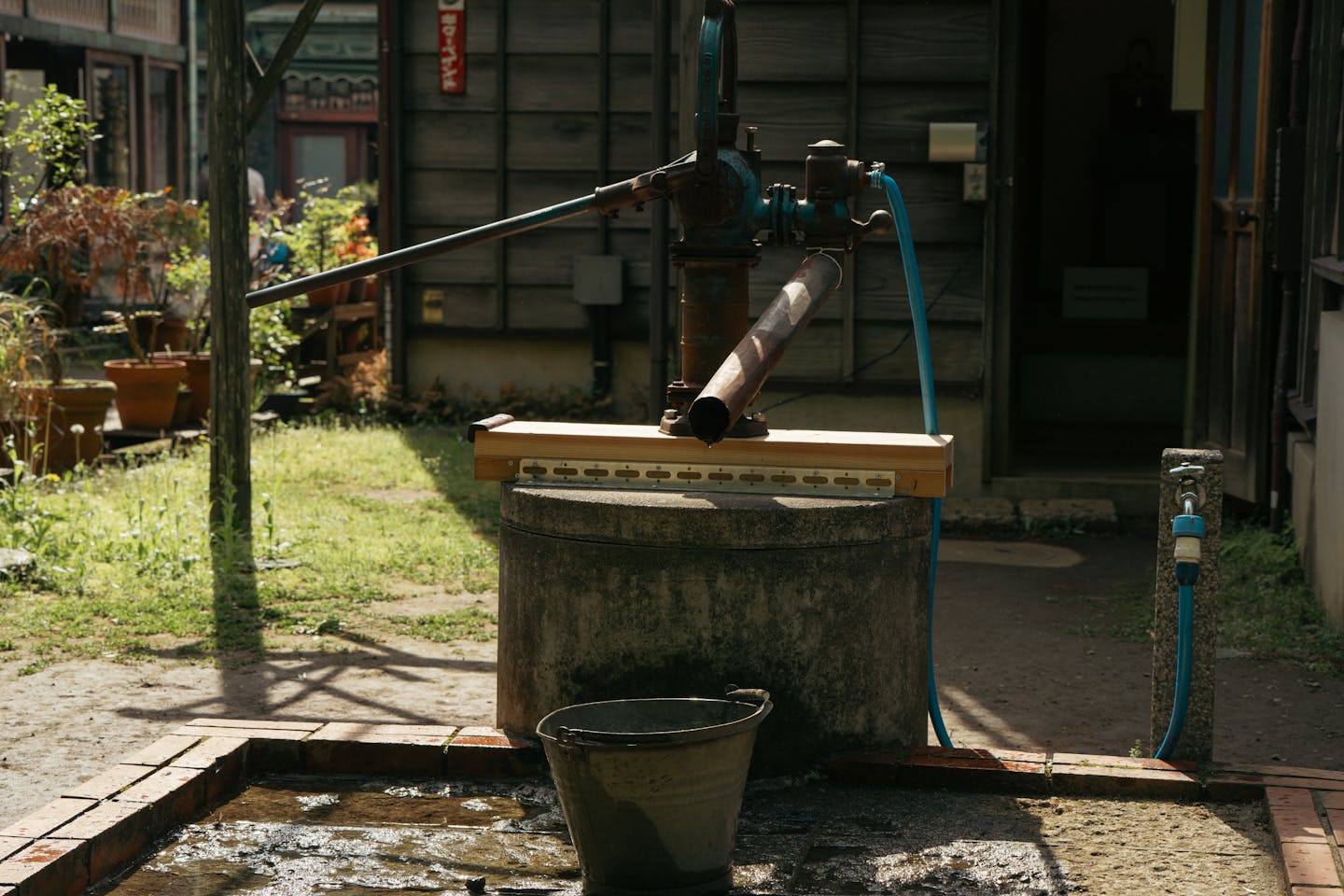
Sump pump installation in Bloomfield, NJ gives your basement a reliable path to discharge groundwater before it reaches your floor. This service covers new sump pit construction, submersible pump selection, discharge line routing, and battery backup installation. A properly set up system keeps the basement dry even during the nor'easters and summer storms that knock out power at the same time they saturate Essex County's clay soil.
What a Sump Pump Installation in Bloomfield Involves
A sump pit is cored into the lowest point of the basement floor — typically 18 to 24 inches in diameter and 24 to 36 inches deep — lined and packed with gravel so groundwater can collect. A submersible pump sits inside and activates when water reaches a float-set threshold. The discharge line exits through the rim joist or foundation wall and terminates at least six feet from the house per NJ code. A battery backup unit wires in parallel so the system keeps running if the power goes out.
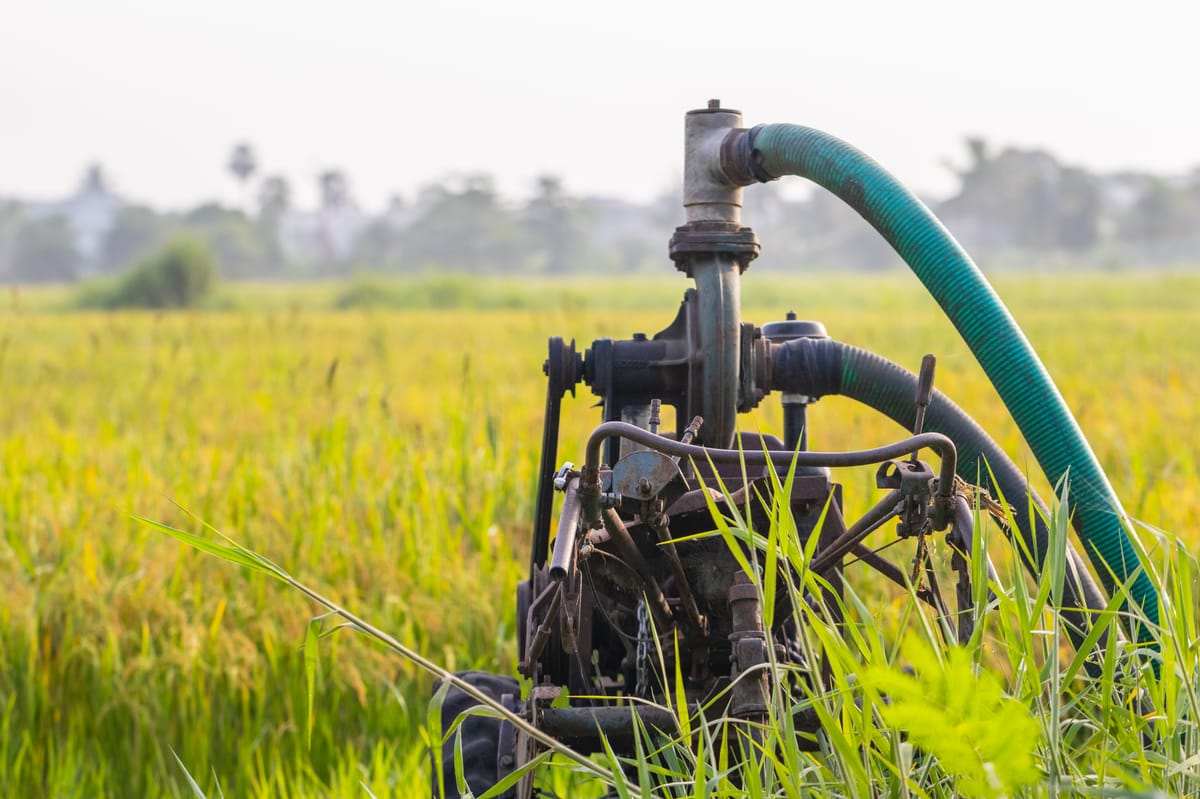
Why a Battery Backup Sump Pump Matters in Essex County
The storms that cause the worst basement flooding in Bloomfield are the same storms that drop power. A primary pump without a battery backup sump pump is useless the moment electricity fails. Battery backup units typically provide six to twelve hours of continuous pumping depending on inflow volume. A water-powered backup, which uses municipal water pressure rather than a battery, runs indefinitely — but requires adequate water pressure and adds to water consumption. Either option is worth the cost against the alternative.
Sump pumps work best as part of a complete interior basement waterproofing system.
After the basement dries out, manage residual humidity with our basement dehumidification service.
Sump Pump Replacement vs. Repair: Reading the Signs
Pumps that run continuously without moving water, make grinding or rattling sounds, or fail to activate when the pit fills have internal failures that call for sump pump replacement rather than repair. A pump running fine but unable to keep pace during heavy rain is likely undersized for the drainage volume — a higher-horsepower unit solves this. Repair is practical only for minor issues like a stuck float or a disconnected discharge line.
Frequently Asked Questions
- How long do sump pumps typically last?
- Most submersible pumps last seven to ten years with normal use. Replacing a pump nearing that age is cheaper than remediating water damage after an unexpected failure during a storm.
- Does Bloomfield require a permit for sump pump installation?
- New electrical connections typically require a permit from the Bloomfield building department. Your contractor should pull the permit before work begins.
- Where must the discharge line exit?
- New Jersey requires discharge at least six feet from the foundation. Discharging toward a neighbor's property or into a sanitary sewer line is prohibited. A dry well or storm drain is the preferred destination where available.
- Can I use a water-powered backup instead of a battery backup?
- A water-powered backup runs indefinitely using municipal water pressure rather than electricity — which means it keeps working during extended outages. It requires adequate water pressure to function and increases water consumption during heavy pumping. It is a valid option where battery maintenance is a concern.